
Lower heating and cooling costs
Insulated walls slow heat flow, so your heater and air conditioner run less often. In Melbourne’s climate, this can mean noticeable savings on energy bills, especially in older homes with uninsulated walls.
Heidelberg Heights
Wall insulation installed in open stud frames during renovations and extensions in Heidelberg Heights. Glasswool, polyester and rockwool batts cut heat loss through walls and reduce noise between rooms.
Share your details and Expert Insulation Melbourne will contact you about Wall Insulation in Heidelberg Heights.
Wall insulation in Heidelberg Heights is fitted into the open stud frames of walls during renovations, extensions or new builds. Batts of glasswool, polyester or rockwool are cut to size and friction-fit between the timber or metal studs before the lining goes on. This stops heat escaping through the walls in winter and keeps the heat out in summer, while also damping noise from outside and between rooms.
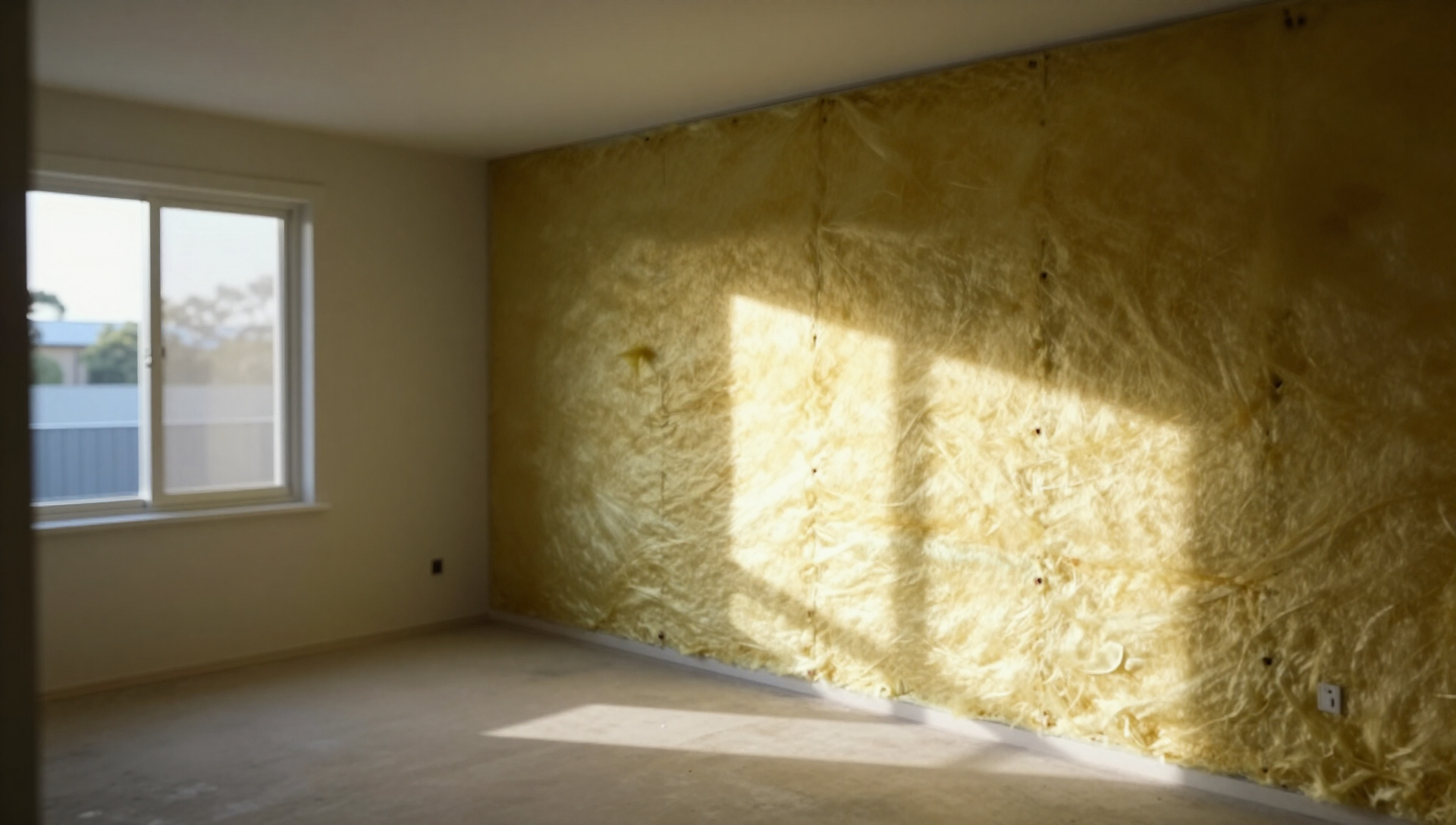
Heidelberg Heights has many postwar brick veneer and weatherboard homes undergoing renovations. Adding wall insulation during these works improves comfort year-round and lowers heating and cooling costs. It also cuts noise from busy roads and neighbouring properties, making interiors quieter.
Insulated walls slow heat flow, so your heater and air conditioner run less often. In Melbourne’s climate, this can mean noticeable savings on energy bills, especially in older homes with uninsulated walls.
Brick veneer and weatherboard walls without insulation let heat escape quickly in winter and absorb heat in summer. Batts in the stud frames stabilise temperatures, reducing cold spots and overheating near external walls.
Bulk insulation absorbs sound as well as heat. This is useful in Heidelberg Heights where traffic noise from nearby main roads can carry into homes. Acoustic batts in internal walls also dampen sound between rooms.
Wall insulation is installed while the wall lining is off, so there is no need to cut into finished walls. This makes it ideal for renovations, extensions and new builds where studs are exposed.
Glasswool, polyester and rockwool batts do not sag or compress over time if installed correctly. They maintain their R-value and thermal resistance for the life of the building.
External walls are a major path for heat loss and gain. Insulating them keeps bedrooms warmer in winter and cooler in summer, improving sleep and living comfort.
Wall insulation is a straightforward job when the wall cavity is open. The process involves measuring, cutting and fitting batts between studs, with care taken around services and to avoid gaps that reduce performance.
The installer checks the stud spacing, depth and condition, and notes any cables, pipes or other services in the cavity. Batts are selected to match the stud width and desired R-value.
Batts are cut slightly wider than the stud spacing so they fit snugly by friction. This prevents gaps that would let air move and reduce thermal performance. Acoustic batts may be used for internal walls where noise reduction is a priority.
Batts are placed between each stud from the bottom plate to the top plate, ensuring full coverage with no compression or voids. Reflective foil is not used in walls unless there is a specified air gap, which is uncommon in standard stud frames.
Any small gaps around edges are sealed with tape or foam to prevent air leakage. The wall lining is then fixed over the insulation, completing the installation before plastering or other finishes.
Heidelberg Heights has a mix of postwar brick veneer and weatherboard homes, many of which are being renovated or extended. These projects are the perfect time to add wall insulation, as the stud frames are exposed and accessible. Insulating at this stage avoids the need for retrofitting later and maximises comfort and energy savings from the start.
Wall batts installed in open stud frames during renovations and extensions to cut heat loss and noise.
Homeowners in Heidelberg Heights often ask about the best time to insulate walls, which R-value to choose and whether it can be added to existing walls without removing the lining.
Wall insulation in Heidelberg Heights is most practical during renovations, extensions or new builds when the stud frames are open. Expert Insulation Melbourne installs glasswool, polyester and rockwool batts between studs to improve thermal resistance and reduce noise. This is particularly effective in the area’s brick veneer and weatherboard homes, which often lack insulation in external walls.
The typical R-value for wall insulation in Melbourne ranges from R2.0 to R2.7, depending on the stud depth and the level of thermal performance required. Higher R-values provide better resistance to heat flow, which is beneficial in Heidelberg Heights where winters can be cold and summers hot. The installer will recommend the most suitable R-value based on the wall construction and local climate conditions.
Adding wall insulation during a renovation or extension ensures the home is more energy-efficient and comfortable from the outset. It also reduces noise from outside, which is valuable in Heidelberg Heights where traffic noise can be an issue. For existing walls with no insulation, cavity wall insulation may be an option if the wall type is suitable, but this requires a separate assessment.
If you are renovating or extending your Heidelberg Heights home, now is the time to add wall insulation. Call Expert Insulation Melbourne to discuss your project and arrange a quote.