
Warmer floors in winter
Insulation under the floorboards stops cold air rising, so timber and carpeted floors feel warmer to walk on. This is especially noticeable in older homes where the subfloor is exposed to outside temperatures.
Heidelberg Heights
Underfloor insulation stops cold air rising through suspended timber floors in Heidelberg Heights. We install bulk batts between floor joists from the subfloor to keep your home warmer in winter and reduce draughts.
Share your details and Expert Insulation Melbourne will contact you about Underfloor Insulation in Heidelberg Heights.
Heidelberg Heights has many postwar brick and weatherboard homes on stumps with suspended timber floors. Without insulation under the floorboards, cold air rises through gaps and draughts, making rooms feel chilly and forcing heaters to work harder. Underfloor insulation fills the space between joists with bulk batts to block airflow and add thermal resistance.
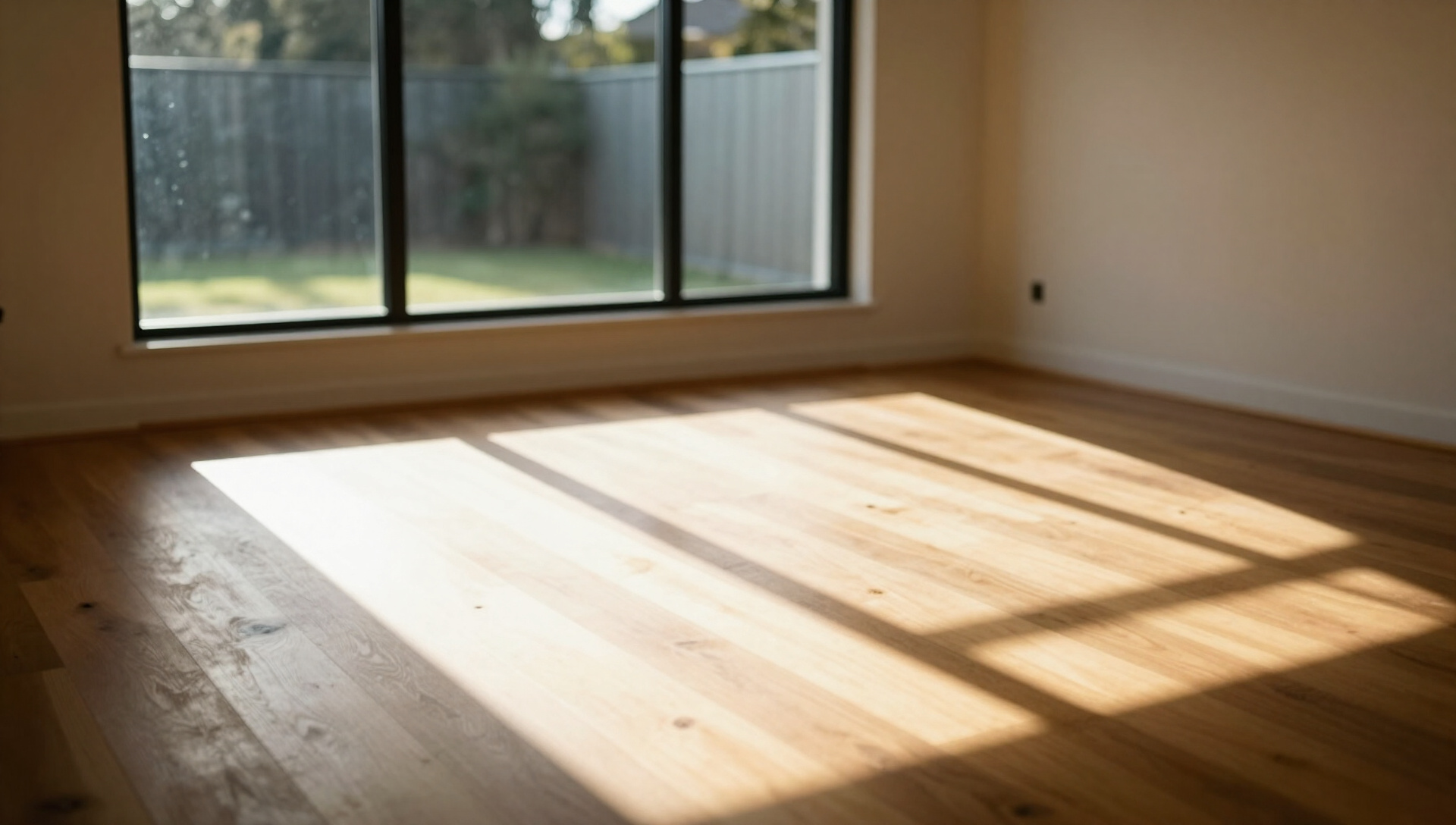
Suspended timber floors are common in Heidelberg Heights and nearby Rosanna and Ivanhoe. Without insulation beneath, cold air enters through the subfloor and rises into living spaces, making floors icy and increasing heating costs. Underfloor batts solve this by trapping still air and blocking draughts.
Insulation under the floorboards stops cold air rising, so timber and carpeted floors feel warmer to walk on. This is especially noticeable in older homes where the subfloor is exposed to outside temperatures.
Gaps between floorboards and around skirting let cold air in. Underfloor batts block these draughts, making rooms more comfortable and reducing the load on your heating system.
By stopping heat loss through the floor, your heater runs less often. In Melbourne’s cold winters, this can make a noticeable difference to energy bills in a typical Heidelberg Heights home.
Cold floors make rooms feel colder than they are. Insulating under the floor evens out temperatures, so you can set the thermostat lower and still feel comfortable.
Batts are installed from the subfloor, so there is no need to remove carpet, timber or tiles. The job is done from below, with minimal disruption to your home.
Quality bulk insulation does not sag or compress over time if installed correctly. It keeps working year after year to block draughts and retain heat.
Installing underfloor insulation requires access to the subfloor. We check the crawl space height, joist spacing and any existing services before fitting batts snugly between joists.
We start by inspecting the subfloor to confirm there is enough crawl space for safe access. We also check for existing wiring, plumbing or old insulation that may need removal.
Batts are measured to fit snugly between joists without gaps. We use the correct width for your joist spacing and the chosen R-value for your needs.
Batts are placed between each joist, supported by the subfloor framing. We ensure full coverage with no gaps or compression, which would reduce performance.
Batts are held in place by friction and the joist spacing. We check for any loose edges and ensure the subfloor is left tidy. If old insulation was removed, we dispose of it responsibly.
Heidelberg Heights sits in Melbourne’s northeast, with many homes built in the postwar era on stump foundations. These houses often have suspended timber floors with no insulation, leading to cold floors and draughts. Underfloor batts are a straightforward upgrade that improves comfort without altering the home’s structure.
Stop cold floors and draughts in Heidelberg Heights with underfloor insulation installed from the subfloor.
Homeowners in Heidelberg Heights often ask about access, R-values and whether underfloor insulation is worth it for older homes. Here are the key details.
Underfloor insulation in Heidelberg Heights targets the cold floors and draughts common in suspended timber floor homes. By installing bulk batts between joists from the subfloor, we block cold air rising through gaps and floorboards, making rooms warmer and reducing heating costs. This is a practical solution for many postwar brick and weatherboard homes in the area.
The process starts with a subfloor inspection to confirm access and check for existing services. Batts are then cut to fit snugly between joists, with typical R-values from R1.5 to R2.5 for underfloor applications. Glasswool, polyester and rockwool are all suitable materials, chosen for their thermal resistance and durability in the subfloor environment.
Cost depends on the floor area, joist spacing, crawl space access and the chosen R-value. Most Heidelberg Heights homes see a noticeable improvement in floor warmth and reduced draughts after installation. If old insulation is present and may contain asbestos, work stops until a qualified assessor inspects it.
Call Expert Insulation Melbourne on 0399695249 or email info@expertinsulationmelbourne. com. au to discuss underfloor insulation for your Heidelberg Heights home.